Eradicating Poverty: Not Just a Dream, but a Moral Imperative
Introduction
Poverty isn’t just a statistic. It’s a lived reality for millions across the globe, a daily struggle for survival characterized by lack of food, shelter, education, and opportunity. While the world enjoys unprecedented technological advancements and economic growth, the stark truth is: poverty remains a persistent stain on humanity. But eradicating it isn’t a dream; it’s a moral imperative, a collective responsibility demanding immediate action.

The Human Cost of Poverty: Each statistic carries a human story. Imagine going to bed hungry, wondering where your next meal will come from. Picture children denied education, their dreams confined by circumstance. Consider the despair of lacking access to healthcare, living in constant fear of illness. This is the harsh reality for over 700 million people worldwide, trapped in a cycle of poverty that perpetuates across generations.
Beyond Statistics, a Web of Challenges: Poverty isn’t a standalone issue. It’s intricately woven with a web of challenges like lack of education, healthcare, and sanitation. It fuels hunger, malnutrition, and disease. It limits access to clean water and safe housing, exacerbating health risks. It creates a vicious cycle where children born into poverty struggle to break free, perpetuating the cycle further.
The Ripple Effect of Poverty: The consequences of poverty aren’t confined to individuals or families. It impacts societies as a whole. Unequal opportunities breed societal unrest and instability. Lack of education hinders economic growth and development. Poor health outcomes strain healthcare systems. Addressing poverty isn’t just about compassion; it’s about building a stronger, more equitable future for all.
From Words to Action: Strategies for Change: Eradicating poverty demands a multifaceted approach. We need:
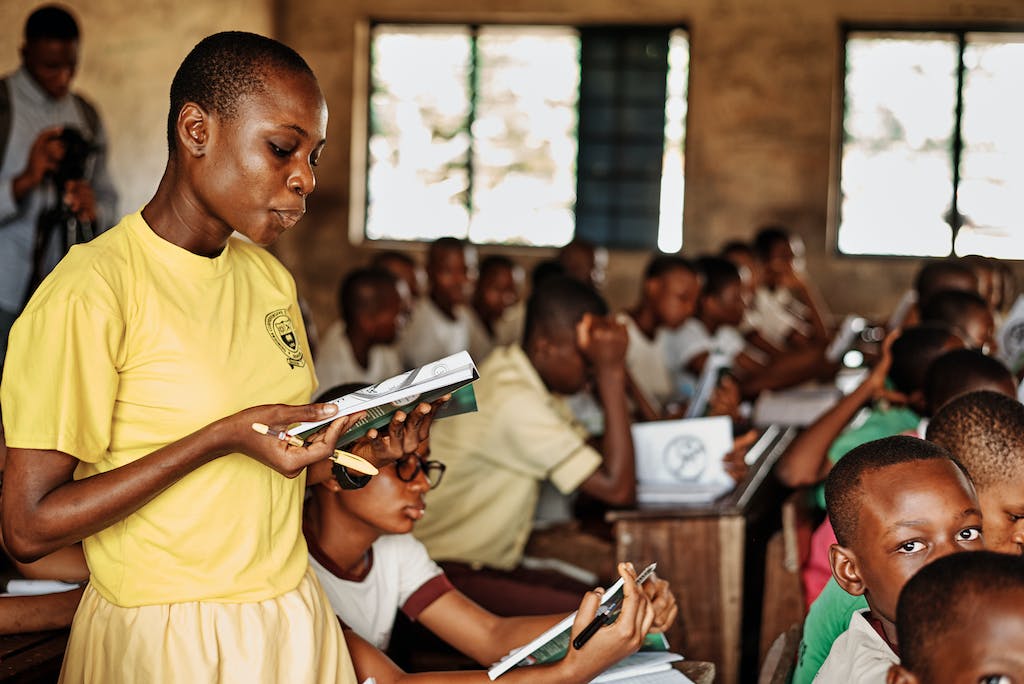
- Investment in Education: Education empowers individuals to break free from poverty’s grasp. Quality education, accessible to all, equips individuals with the skills and knowledge needed to secure decent jobs and contribute to their communities.
- Empowering Women and Girls: Investing in women and girls is one of the most effective ways to reduce poverty. When women have access to education, healthcare, and economic opportunities, they uplift their families and communities, creating a multiplier effect.
- Sustainable Agriculture and Food Security: Hunger often goes hand-in-hand with poverty. Promoting sustainable agricultural practices and ensuring equitable access to nutritious food are crucial for building resilience and improving health outcomes.
- Decent Work and Fair Wages: Everyone deserves the opportunity to earn a living wage through decent work. Promoting fair labor practices, creating sustainable job opportunities, and fostering entrepreneurship are key to empowering individuals and families to lift themselves out of poverty.
- Access to Healthcare: Lack of access to healthcare disproportionately affects those in poverty. Investing in universal healthcare ensures everyone has the right to basic healthcare, preventing illness from becoming a further burden.
- Social Protection: Safety nets like social security and unemployment benefits provide safety nets during difficult times, preventing individuals from falling into poverty due to unforeseen circumstances.
Collaboration is Key: No single entity can eradicate poverty alone. Governments, businesses, civil society organizations, and individuals all have a role to play. Collaboration, knowledge sharing, and resource mobilization are crucial for creating a united front against poverty.
Beyond Charity, Towards Sustainable Solutions: While short-term aid plays a crucial role in emergencies, the goal should be to empower individuals and communities to achieve self-sufficiency. Investments in education, healthcare, and infrastructure create long-term solutions, breaking the cycle of poverty and fostering sustainable development.
Our Shared Responsibility: Eradicating poverty isn’t just about statistics; it’s about recognizing the inherent value of every human life. It’s about choosing compassion and creating a world where everyone has the opportunity to thrive. It’s about leaving a legacy of equality and shared prosperity. Let’s not relegate this to a dream; let’s turn it into a reality. Join the movement. Demand action. Invest in solutions. Together, we can build a future where poverty is not a sentence, but a distant memory.
Remember, poverty doesn’t define an individual; it defines our collective response. Let’s choose responsibility, let’s choose action, and let’s choose a future free from poverty.